What We'll Do Together
Perimenopause can activate intense worry and self-doubt as our bodies change and no longer match the cultural ideals we've been sold through media, advertising, family messages, and wellness culture. And the pressure doesn't lift just because we understand it intellectually.
This group is a place to slow down and tell the truth about what's happening — inside you, and around you — so you can begin to relate to your body differently.
Together, we'll use guided visualization, somatic awareness, and reflective discussion — grounded in feminist perspectives on body image and midlife — to support a shift from your body as an object to be molded into ideals that manufacture insecurity, to your body as a source of aliveness, pleasure, and joy.
Each session follows a consistent structure that creates safety and allows you to go deeper over time. This is experiential therapeutic work, in the company of women who are in it with you.
Practical Details
How It's Structured
Format
Zoom
California residents only (telehealth requirement)
Frequency
Every other week
Session Length
90 minutes
Group Size
6–8 women
Fee
$110 per session
Superbill provided for possible out-of-network reimbursement
Commitment
6 sessions
Members who are benefiting and want to continue will be invited to stay for ongoing work
Starting
Early June 2026
Day and time set by member availability
Closed group (with continuity): All members begin together. To protect trust and cohesion, new members are not added during the initial 6-session commitment. After that, if openings arise, new members may be invited in at designated times following a screening process to ensure goodness of fit.
How Sessions Work
Each Session Follows the Same Arc
Arriving Together
A brief, structured prompt (e.g., "one word for how you're living in your body this week") that brings everyone present and begins to surface what's alive in the room.
Sitting With What's Here
We identify a thread from the check-in and sit with it together. Sometimes this includes brief psychoeducation about the cultural forces shaping our body experiences. Always, it's a conversation rather than a lesson.
Going Inward
A facilitated inner experience: meeting your body with curiosity instead of judgment, softening the external gaze, and finding your body as something that does rather than something that looks. Each visualization builds on the last.
Coming Back Together
Each member shares what arose. The group reflects together. This is where individual experience becomes shared — often the most quietly powerful part of the session.
Grounding Before You Go
A brief grounding practice to mark the end of group space before returning to the rest of your day.
Because we meet every other week, the time between sessions is considered part of the work — tracking what arises in daily life, in your body, and in the moments old messages resurface.
Is This for Me?
This Group Is a Good Fit If You…
- Are in perimenopause or early postmenopause and experiencing real body image distress
- Want more than information — you want to actually feel something shift
- Are curious about the cultural forces shaping how you see yourself — not just the personal ones
- Have done some individual therapy and feel ready to work alongside others
- Can commit to showing up consistently and being present with other women's experiences
- Are not in active crisis, and are stable enough for open group work
Getting Started
Free 15-Minute Call
No commitment, no pressure — just a brief conversation to see whether this group might be a fit.
30-Minute Assessment Session ($135)
Required to ensure goodness of fit between group members.
Ready to Take the First Step?
Schedule a Free 15‑Minute CallYour Facilitator
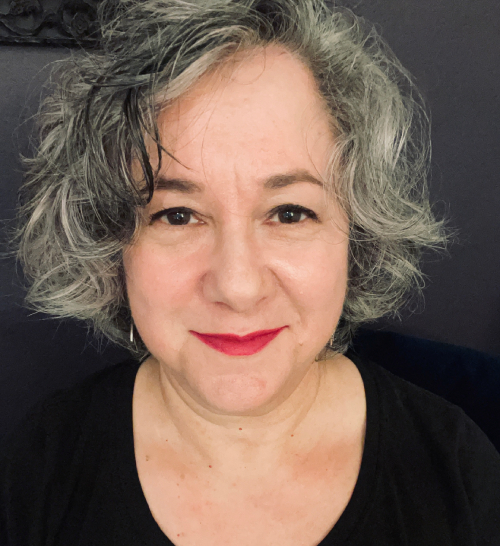
Julie Levin, MFT
Licensed Marriage & Family Therapist · CaliforniaI've been through this myself. I know what it's like to feel ashamed of your body during this transition — the mood swings, the unfamiliar shape in the mirror, the quiet pressure to just get on with it. I also know what it's like to come out the other side with more self-knowledge, self-acceptance, and genuine freedom than I'd had before.
That experience is part of why I do this work — and why I believe this particular group, with the right women in it, can be genuinely transformative rather than simply supportive.
Common Questions
Do I need to be in individual therapy at the same time?
+Not necessarily. Some members are in individual therapy and some aren't. We'll talk about what support makes sense for you during the assessment session.
What if I've never been in a therapy group before?
+That's very common. I'll explain the structure clearly, and the consistent format helps most people feel oriented quickly.
What does the feminist framing actually mean in practice?
+It means we make space to examine the cultural pressures that shape body shame and self-surveillance — so the work isn't only "fix yourself," but also reclaiming your own perspective and values.
How long does the group run?
+A 6-session commitment is required. After that, members who are benefiting and want to continue may be invited to stay for ongoing work.
Does insurance cover this?
+I provide superbills for those with out-of-network coverage. Ask your insurer whether they reimburse group therapy and what your benefits are.
What does "closed group" mean?
+All members begin together and we don't add new members during the initial 6-session commitment. After that, if openings arise, new members may be invited in at designated times following a screening process to ensure goodness of fit.